
Glaucoma Evaluation & Management in Orland Park
Careful optic nerve, eye pressure, and visual field monitoring to help protect long-term vision.
Glaucoma is a group of eye conditions that can damage the optic nerve, the structure that carries visual information from the eye to the brain. Because glaucoma often develops gradually and may not cause noticeable symptoms in the early stages, regular eye health evaluations are important for early detection and ongoing monitoring.
At Vision Source – Orland Park, our doctors evaluate glaucoma risk factors, eye pressure, optic nerve health, peripheral vision, and related findings to help determine whether treatment, monitoring, or referral is needed.
What Is Glaucoma?
Glaucoma is not simply “high eye pressure.” It is a condition that damages the optic nerve. In many cases, this damage is related to pressure inside the eye, called intraocular pressure. However, glaucoma can sometimes occur even when eye pressure is not especially high.
The most common type is open-angle glaucoma, which usually develops slowly and often has no early warning signs. Peripheral, or side, vision may be affected first, and many patients do not notice the change until the condition is more advanced.
How We Evaluate Glaucoma
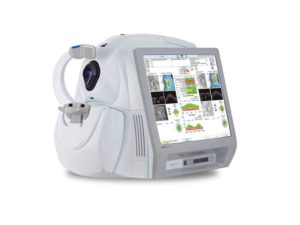
OCT imaging helps us evaluate the optic nerve in glaucoma care.
A glaucoma evaluation may include eye pressure measurement, optic nerve evaluation, OCT optic nerve imaging, visual field testing, and additional testing when appropriate. OCT imaging helps us document the optic nerve and retinal nerve fiber layer, while visual field testing helps evaluate peripheral vision.
Together, these findings help our doctors determine whether glaucoma is present, whether additional monitoring is needed, and how closely your eye health should be followed.
Who Is at Higher Risk for Glaucoma?
Glaucoma can affect anyone, but risk may be higher for patients with a family history of glaucoma, elevated eye pressure, increasing age, thin corneas, diabetes, previous eye injury or surgery, long-term steroid medication use, or significant nearsightedness or farsightedness.
If you have a family history of glaucoma or have been told that your eye pressure is elevated, regular monitoring is especially important.
Symptoms That Need Prompt Attention
Most glaucoma develops slowly, but some symptoms may require urgent evaluation. Contact our office promptly if you experience sudden eye pain, a red painful eye, halos around lights, sudden blurred vision, nausea or vomiting with eye pain, or a sudden loss of side vision.
These symptoms can sometimes be associated with a sudden increase in eye pressure and should not be ignored.
Glaucoma Treatment and Ongoing Management
Glaucoma treatment is designed to lower eye pressure and reduce the risk of further optic nerve damage. Depending on the type and severity of glaucoma, treatment may include prescription eye drops, laser treatment, surgical procedures, or referral to a glaucoma specialist.
For many patients, glaucoma care involves long-term monitoring. Follow-up visits may include repeat eye pressure checks, optic nerve imaging, and visual field testing to look for signs of progression over time.
Glaucoma is usually a long-term condition, but careful monitoring and timely treatment can make a meaningful difference. If you have a family history of glaucoma, elevated eye pressure, or have not had a recent comprehensive eye exam, schedule an eye health evaluation with Vision Source – Orland Park.